



6210 ESD Polycoat Anti-Static Floor Paint | Dissipative | Clear | ANSI/ESD S20.20-2014
Starting at $140.00
- Suitable for dissipative packaging outlined in ANSI/ESD S20.20
- Resistance: 10e6-10e9 ohms/sq when tested to ANSI/ESD STM11.11 88
- Dissipative Coating
- Water-based polyurethane with zero VOC
- Reduces tribocharging
Overview
- Description
- Additional Information
- Specs
- Cure
- Application
- Calculator
6210 ESD Polycoat Anti-Static Floor Paint | Dissipative | Clear | ANSI/ESD S20.20-2014
6210 ESD Polycoat is a versatile polyurethane coating offering superior static control with exceptional durability for both plastics and surfaces such as concrete, tile and wood. This translucent water-based polyurethane coating contains a suspension of opaque blueish-grey conductive particles, and delivers consistent resistance readings between 10 ^6-10^9 ohms in any humidity. The coating is clear with a dispersion of blue/grey particles.
When applied to surfaces, this single-part system is ideal for preventing ESD events in static control environments. 6210 ESDC Polycoat is designed specifically for static control in electronic packaging, manufacturing, fab assembly and all areas where ESD control is critical.
Ideal for use on most flooring surfaces, this durable ESD coating resists yellowing, dirt attraction, UV fading, and withstands alcohol, oils, gasoline and most common electronic chemicals making it highly effecitve in a variety of applications. It is perfect for ESD workspaces, static-sensitive data centers and warehouses. Can be used on walls.
6210 ESD Polycoat is a zero VOC formulation that will not outgas harmful or volatile components once dry. It is RoHS compliant and meets ANSI/ESD S20.20 for static dissipation. Intended for medium duty traffic including foot traffic, wheeled carts and pallet jacks.
PRIMER: None Required (can apply over an acrylic painted surface)
TOPCOAT: May apply multiple coats of the 6210 ESD Polycoat
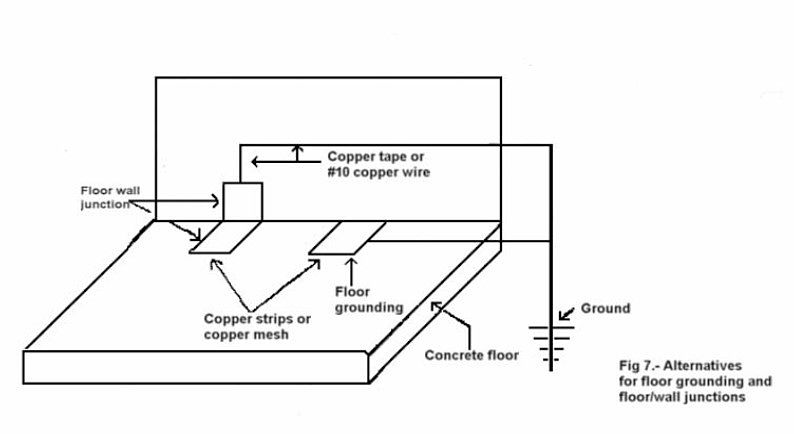
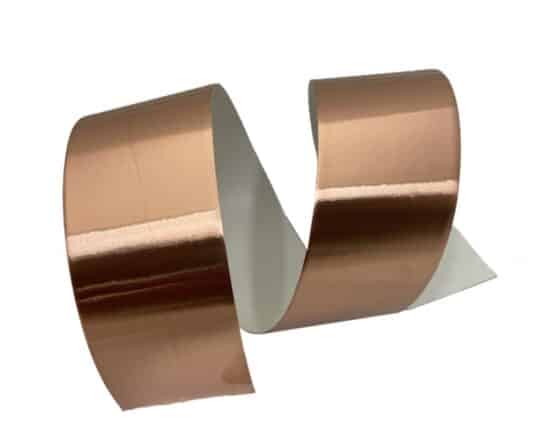
We also offer the option to include a 2″ inch-wide copper grounding strip for grounding to earth grounds. Copper is 1.4 mil thickness (2.6 mil thickness with the conductive adhesive backing). Recommend at least 1 grounding strip every 1,000 sq’ of project surface area. See the guide: HOW TO GROUND ESD COATINGS
For floor surfaces subject to heavy wheeled traffic use including forklift and pallet jack traffic, we offer our GroundWorx Ultra Coating System which includes a high performance 2 part 100% solids epoxy basecoat and high solids urethane topcoat for excellent ESD anti-static control in a physically demanding environment.
For more information on anti-static floor systems, see our video library.
Where is the 6210 ESD Polycoat Dissipative Anti-Static Floor Paint used?
- Electronics manufacturing and assembly, ESD protected environments
- Sensitive device manufacturing
- Contract manufacturing
- Thermoform packaging (Suitable for PET)
- ESD workspaces
- Static-sensitive warehousing and data centers
Why 6210 ESD Polycoat Dissipative Anti-Static Floor Paint?
- Suitable for dissipative packaging outlined in ANSI/ESD S20.20
- Resistance: 10e6-10e9 ohms/sq when tested to ANSI/ESD STM11.11 88
- Dissipative Coating
- Water-based polyurethane with zero VOC
- Reduces tribocharging
- Coverage: 200-250 square feet per gallon
- High durability
- Translucent with a suspension of opaque blueish-grey conductive particles
- For plastics, concrete, unfinished wood, or tile (multi-surface compatible)
- Made in the USA
| Weight | N/A |
|---|---|
| Size | 1 Gallon, 1 Gallon + 1 Copper Ground Strip, 1 Quart, 5 Gallon, 5 Gallon + 2 Copper Grounding Strips |
| Product Material | |
| Surface Applied To | |
| Manufacturer |
SPECIFICIATIONS | |
|---|---|
| Base | Waterborne polyurethane |
| Surface | Egg shell to satin |
| Resistance | 1 x 10e5 – 1 x 10e8 ohms |
| VOC | Zero |
| Compliancy | No REACH SvHC or RoHS chemicals |
| Durability | Enhanced with reinforcing fibers |
| Mixing | Easy to Mix with No Drops |
| Shelf Life | 1 year in unopened container |
| Finish | Low sheen satin |
| Reducer for Spraying | Deionized Water |
| Surfaces Used On | Concrete, Tile (glazed & unglazed) ,Wood and Plastic Machine Parts / Enclosures |
| Coverage | 200-250 square ft per gallon |
| Sizes | 1 Quart, 1 Gallon and 5 Gallon |
CURE SCHEDULE
(at 77F or 25C and 50% RH)
| To touch | 2-4 hours |
| To recoat | 8 hours |
| Light foot traffic | 24 hours |
| Light hand carts | 48-72 hours |
| Full cure (heavy traffic) | 3-5 days |
APPLICATION TEMPERATURE:
60F-80F
MIXING AND APPLICATION INSTRUCTIONS
RODUCT STORAGE: Store product in an area so as to bring the material room temperature before using. Continuous storage should be between 60 and 90 degree F. Low temperatures or great temperature fluctuations may cause product crystallization.
GENERAL SURFACE PREPARATION: All surfaces must be sound, dry, clean and free of oil, grease, dirt, mildew, form release agents, curing compounds, loose and flaking paint and other foreign substances.
How to Ground 6700C: We offer a Two-inch-wide copper grounding strip for grounding to earth grounds. Copper is 1.4 mil thickness (2.6 mil thickness with the conductive adhesive backing). Recommend at least 1 grounding strip every 1,000 sq’ of project surface area. See the guide: HOW TO GROUND ESD COATINGS
SCHEMATIC FOR GROUNDING AN ESD FLOOR COATING
Recommendations before Beginning:
- Read this entire document before application
- Always wear protective goggles and gloves
- Apply a test patch of the 6210 ESD Polycoat Clear Floor Coating for adhesion, abrasion, resistance and aesthetics prior to coating large areas
- Average coverage: 200-250 sq ft per gallon
- For best results, apply at temperatures between 60F-80F
- Mix products thoroughly before using as solids may settle in storage. Fibers are noticeable in wet mixture but will be absorbed into the coating as the coating dries. Stirring with a paint stick my not be adequate for mixing solids into solution. Mixing with a drill attachment is recommended.
- Two coats are not required, but may be preferred as substrate absorbency varies
New Concrete Floors
New concrete should cure for a minimum of thirty days before coating with product.
- Clean and remove dirt/ grease with diluted Staticide 4040 Cleaner Concentrate solution. Dilute 5:1 (water to concentrate). Scrub with auto scrubber with stripping pad or a stiff bristle broom brush.
- Rinse twice with water. Residual acid, stripper or detergent will detrimentally affect the paint adhesion
- Test with litmus paper to ensure all the acid is removed and the floor has a neutral pH. Allow to dry 24 hours.
- Determine porosity of floor using Porosity Test found on page 3 of this manual. Very dense, non-porous or treated concrete may require additional acid treatment
- Thoroughly mix paint with mixer or stirrer. This will ensure that the conductive additives are properly dispersed, allowing for proper adhesion and conductivity.
- Pour a quantity of paint into a roller tray and completely wet the roller. a Foam roller or 1/4″ nap polyester roller with a five-foot extension handle is recommended. Roller will depend on surface. Saturate roller completely and apply paint in continuous strokes to avoid fiber clumping.
- Allow floor to dry overnight at not less than 60F before allowing light foot traffic to resume on the surface.
- After drying, test the floor with a surface resistivity meter. If the reading is greater than 108ohms and/or the readings on five separate test spots on the floor differ by more than a decade, apply a second coat of paint.
- Allow floor to dry 3 days (72 hours minimum) at not less than 60F before allowing general industrial traffic to resume.
- Allow floor to dry 3 days (72 hours minimum) at not less than 60F if applying optional coat of ESD floor finish. ACL dissipative floor finishes will provide an increase in gloss and durability
Old Concrete Floors
**Note** Simple cleaning may be insufficient to obtain maximum adhesion of paint to old concrete floors. Prior maintenance and exposure to polyethylene wax, silicone, epoxy sealers, oil spills and other coatings or chemicals will adversely affect product performance
- Follow steps 1-4 listed above
- Apply a test patch. If the test patch is acceptable, follow the instructions under “NEW CONCRETE FLOORS” starting at step #5
- If the test patch shows unacceptable adhesion after standing 5 days, proceed with the following:
- Grit sand or solvent clean the concrete to remove all embedded sealers, waxes, floor polishes, oils, greases, fluids and chemical spills of any type**Note** Consult your concrete contractor for details on proper equipment for floor sanding
- After sanding, wash the floor with detergent and warm water then wet vacuum.
- Allow the floor to dry completely
- Apply another test patch. If adhesion, abrasion, resistance and aesthetics are acceptable, follow the instructions under “NEW CONCRETE FLOORS” starting at step 5
Porosity Test: Pour 1 ounce of water onto the concrete. If the water soaks in, the surface is porous enough for coating. If water beads up on the concrete, the surface is not porous and further treatment is required. The presence of laitance (fine white particles) will also require abrasive blasting, sanding or abrading to assure removal.
Dryness Test: Place a weighted rubber mat, piece of plastic sheet or other non-porous material on the surface for 24 hours. If the underside of the mat, plastic or concrete surface is dry after that time, then the floor is ready for the next step. If moisture persists, concrete surface cannot be coated.
Regular Maintenance
- Allow 2 weeks of drying time after initial paint application before using a damp mop to clean coated floor
- Sweep or dust mop daily. Use sweeper, vacuum, or an untreated mop to clean the floor. Do not use a sweeping compound.
- Damp mop weekly
- Remove all spills immediately
- Do not machine buff floor. Do not use abrasive cleaners or scrubbing machines with abrasive pads to clean the painted floor.
Final Note:
It is crucial to begin a program of taking regular readings of surface resistance from appropriate test sites to evaluate the floor and establish a proper maintenance program tailored to your requirements. All surface resistivity readings should be taken when the floor is at room temperature and dry. In order to conform to ANSI/EOS specifications and standards, use a resistance meter and procedure that measures relative humidity, temperature, and surface resistance such as the ACL 800 or ACL 880.
NOTICE TO BUYER: DISCLAIMER OF WARRANTIES AND LIMITATIONS ON OUR LIABILITY
We warrant that our products are manufactured to strict quality assurance specifications and that the information supplied by us is accurate to the best of our knowledge. Such information supplied about our products is not a representation or a warranty. It is supplied on the condition that you shall make your own tests to determine the suitability of our product for your particular purpose. Any use or application other than recommended herein is the sole responsibility of the user. Listed physical properties are typical and should not be construed as specifications. NO WARRANTY IS MADE, EXPRESSED OR IMPLIED, REGARDING SUCH OTHER INFORMATION, THE DATA ON WHICH IT IS BASED, OR THE RESULTS YOU WILL OBTAIN FROM ITS USE. N0 WARRANTY IS MADE, EXPRESSED OR IMPLIED, THAT OUR PRODUCT SHALL BE MERCHANTABLE OR THAT OUR PRODUCT SHALL BE FIT FOR ANY PARTICULAR PURPOSE. NO WARRANTY IS MADE THAT THE USE OF SUCH INFORMATION OR OUR PRODUCT WILL NOT INFRINGE UPON ANY PATENT. We shall have no liability for incidental or consequential damages, direct or indirect. Our liability is limited to the net selling price of our product or the replacement of our product, at our option. Acceptance of delivery of our product means that you have accepted the terms of this warranty whether or not purchase orders or other documents state terms that vary from this warranty. No representative is authorized to make any representation or warranty or assume any other liability on our behalf with any sale of our products. Our products
Square Footage Calculator
Estimate the Right Amount for Your Project
Use the calculator to determine your total project square footage. Once you have your measurements, compare the result to the product coverage rate listed on this page to estimate how much material you'll need for complete coverage.
Calculate Coverage
Quickly determine the total square footage of your project area.
Estimate Product Quantity
Use your results to calculate how much product your project requires.
Plan With Confidence
Add a waste percentage to account for surface texture and application conditions.
Coverage estimates are provided as a general guide. Actual product usage may vary based on surface condition, porosity, application method, and project requirements.
You may also like…
-
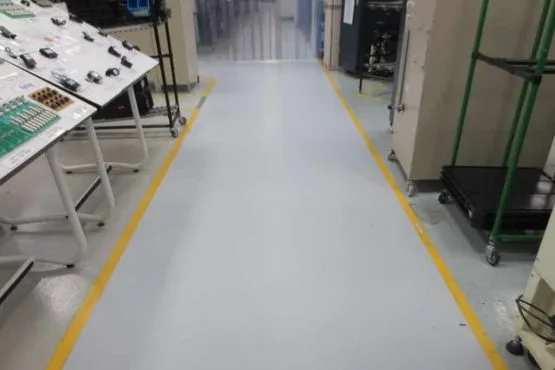
6700 Premium ESD Static Dissipative Anti-Static Floor Paint | 9 Colors | ANSI/ESD S20.20-2014
- Static dissipative 10e7 - 10e9 ohms
- Conforms to ANSI/ESD S20.20-2014 when tested according to ANSI/ESD STM7.1
- No hot spots
- Excellent adhesion and color retention
- Good resistance to abrasion, oils and washing
-
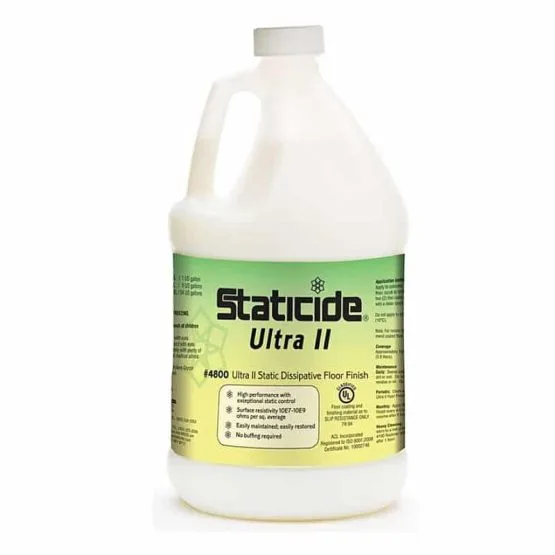
4800 Ultra II Static Dissipative Clear Urethane Floor Finish
- Coverage 1,500 - 2,000 sq'/gallon
- Strip cycle 12 -18 months
- Suitable to use on ESD tile, epoxy and concrete floors
- Surface resistivity: 107 - 109 ohms per square (average)
- Low voc
-
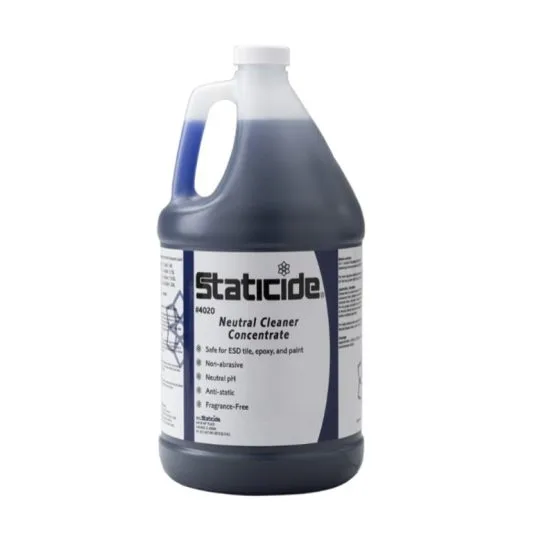
4020 ESD Neutralizer Cleaner Concentrate
- Economical concentrate
- Dilute 1:128 cleaner to water
- Neutral pH 7.2
- Low foam - no streaking formula
- Non-toxic and biodegradable safe for sewage & septic systems